The living room is quiet except for the heavy, rhythmic thumping of a wagging tail against the floorboards and the wet scrape of teeth against a stiff white bone. The late afternoon sunlight casts long shadows, and the peace in your home feels earned. It feels like good pet parenting. You handed over a smooth, bleached stick from a crinkling plastic wrapper, bought for a few dollars at the grocery store, and bought yourself an uninterrupted hour to finally sit down.
But if you look closely at that artificially pale shape between their paws, the reality of what they are ingesting shifts. This is not bone, and it certainly isn’t meat. It is an industrial chemical byproduct wrapped up in a familiar, dog-friendly shape, designed to mimic something biological while remaining entirely synthetic.
While the exterior feels harmless, almost like a piece of dense cardboard or dried wood, the environment inside a dog’s digestive tract tells a vastly different story. We expect treats to dissolve, to melt away under the relentless work of canine stomach acid just like kibble or fresh meat. Instead, we are handing them a material that stubbornly refuses to yield to their natural biology.
The professional veterinary world views these common grocery store staples not as affordable treats, but as ticking time bombs. Hidden in plain sight, disguised beneath cheerful packaging, smiling cartoon dogs, and marketing terms like long-lasting, these items mask a physiological nightmare waiting to unfold in the dark curves of the intestines.
The Sponge Effect and the Ingredient Myth
Think of the canine stomach as a highly efficient furnace, chemically designed to melt down proteins, fats, and raw cartilage. Now, imagine throwing a dry, tightly coiled leather belt into that fire. Rawhide is literally the inner layer of cow or horse hide, a tough leftover stripped away from the leather industry. It is completely devoid of nutritional value, scrubbed with harsh industrial lye or bleach to achieve that stark, sanitized white color, and pressed into a bone shape using artificial glues.
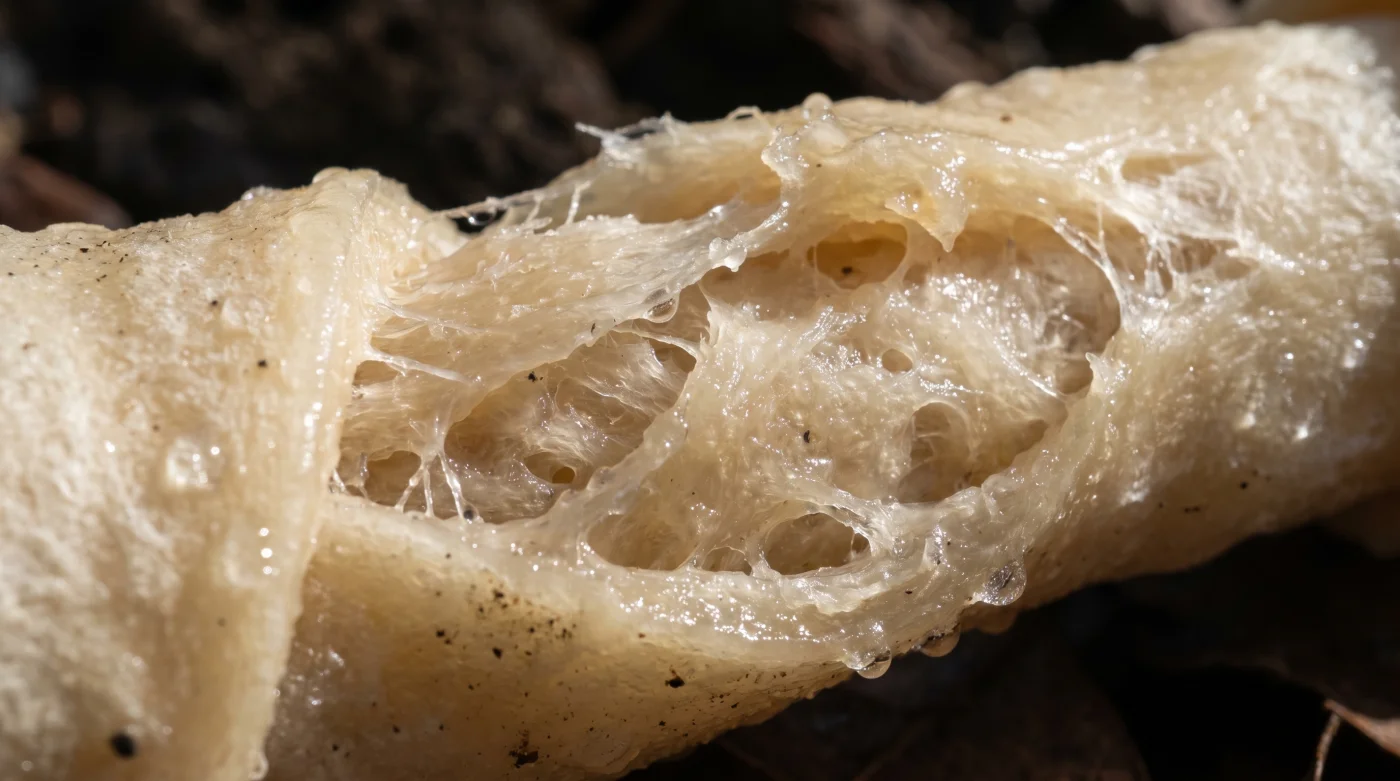
The perspective shift comes when you realize that rawhide doesn’t actually digest; it merely hydrates. Bleached animal hide expands significantly when exposed to the hot, acidic environment of a dog’s stomach. Instead of breaking apart, it acts exactly like a compressed sponge, swelling up to four times its original size. The rigid stick turns into a rubbery, impenetrable mass that simply cannot pass through the narrow, delicate valves of the intestinal tract.
- Pet floor ramps with steep inclines accelerate arthritic joint wear
- Pumpkin puree dosage errors cause severe canine digestive distress
- Airline pet carriers face immediate bans under new FAA regulations
- Xylitol toxicity searches surge as peanut butter brands change recipes
- Kevlar dog toys pose severe dental risks for heavy chewers
Dr. Marcus Thorne, a 48-year-old emergency veterinary surgeon operating out of a busy clinic in Denver, keeps a jarring visual display in his office. It is a swollen, gelatinous knot of rawhide he surgically extracted from a golden retriever’s bowel last winter. He frequently explains to frantic pet parents that the ingredient label might say natural beef hide, but it completely omits the heavy metals and formaldehyde used to preserve the material during shipping. You aren’t feeding your dog real food; you are essentially feeding them heavily processed, flavored leather.
Auditing the Labels: The Budget Shopper
The bright, shrink-wrapped bones hanging at the grocery checkout aisle are by far the most deceptive. They rely heavily on basted flavorings, usually synthetic liquid smoke or artificial chicken flavoring sprayed over the bleached hide just to entice your dog to chew on something that smells like a factory. The label is dangerously vague, often hiding the presence of artificial binding agents under generic terms. If you look at the back of the package and see terms like bleached hide, animal digest, or unidentifiable glues, throw it straight into the garbage.
Auditing the Labels: The Aggressive Chewer
You might purposefully reach for compressed rawhide instead, assuming the tightly packed density makes it safer for a strong, aggressive jaw. While it is true that they last longer, these tightly packed layers only mean a denser, heavier, and more dangerous mass expanding in the gut later. The intense mechanical shearing force of your dog’s teeth just breaks off sharp, jagged shards of glue-bound hide that become immediate choking hazards long before they ever reach the stomach.
Auditing the Labels: The Conscious Purist
The recent professional shift toward single-ingredient collagen sticks changes the entire chewing equation for the better. Collagen is naturally derived from the corium layer of beef skin, but unlike standard rawhide, it undergoes a gentle, natural mechanical process rather than a harsh chemical bath. Collagen breaks down easily into highly digestible peptides and amino acids the moment it hits the stomach acid. This provides your dog with the satisfying, long-lasting chewing experience they crave, completely without the horrifying surgical extraction risk.
Transitioning to a Mindful Chew Routine
Transitioning your dog away from dangerous commercial hides and toward biological safety requires a bit of mechanical awareness. It is ultimately about matching the physical density of the chew to the specific jaw strength and chewing style of your animal, ensuring the treat acts as a natural dental aid rather than a hidden hazard.
- Audit your current pet pantry and immediately discard anything stark white, overly glossy, or chemically scented.
- Replace all rawhide products with single-ingredient collagen sticks, thoroughly checking the back label to ensure it explicitly lists 100 percent beef collagen with zero additives.
- Match the exact diameter of the collagen stick to your dog’s muzzle; it must be physically too thick for them to fit entirely in their mouth or swallow whole.
- Mindfully limit all chewing sessions to twenty minutes to prevent unnecessary jaw fatigue, taking the chew away to give their digestive system time to process.
Your tactical toolkit for making this transition is straightforward but highly effective. Keep braided collagen sticks on hand for medium to large dogs, as the braided texture gently scrubs plaque from the gumline. Store them at room temperature in a dry container away from excess moisture. Most importantly, always stay in the room for the first five minutes of introducing a new chew to accurately gauge their biting style and enthusiasm.
Peace of Mind on the Living Room Rug
Swapping a chemically treated industrial byproduct for a biologically appropriate, single-ingredient alternative does vastly more than just save you a traumatic, late-night emergency trip to the animal hospital. It effectively removes that subtle, low-level anxiety that hums in the background of your mind every single time you hand your dog a long-lasting treat.
When you finally sit down and hear that familiar rhythmic chewing coming from the corner of the room, you deserve to feel settled. By taking the time to read past the glossy marketing claims and truly understanding the physical reality of how ingredients react inside your dog’s body, you take absolute control of their environment. You are no longer crossing your fingers and hoping for the best; you are feeding them with profound intention and uncompromising care.
A dog’s digestion is a finely tuned system; respect it by offering ingredients that work with their biology, not against it.
| Key Point | Detail | Added Value for the Reader |
|---|---|---|
| Rawhide Bones | Chemically treated leather byproducts that swell massively when exposed to stomach acid. | Quickly identify the silent, expanding hazard sitting in your pantry. |
| Compressed Hides | Dense layers glued tightly together that fracture into sharp, rigid choking hazards. | Understand exactly why harder does not equal safer for your aggressive chewers. |
| Collagen Sticks | Single-ingredient beef corium that breaks down smoothly into highly digestible amino acids. | Enjoy lasting peace of mind while your dog chews safely on a biological treat. |
FAQ
Why does my dog love rawhide if it is bad for them? Dogs are attracted to the artificial flavorings, synthetic smoke, and basted coatings sprayed on the outside of the product, not the bleached hide itself.
How long does it take for rawhide to block the intestines? Blockages can easily occur within 24 to 48 hours as the dry hide hydrates and swells, lodging firmly in the lower digestive tract.
Are single-ingredient collagen sticks safe for growing puppies? Yes, pure collagen is entirely safe for puppies, provided you mindfully select an appropriate thickness that they cannot fit entirely in their mouth or swallow whole.
How can I visually tell if a chew is real collagen or just rebranded rawhide? Look directly for transparent labeling; true collagen will explicitly state 100 percent beef collagen or beef corium, completely avoiding vague marketing terms like natural beef hide.
What are the first immediate signs of an intestinal blockage? Watch closely for repeated vomiting, refusal to eat their normal food, a hunched posture indicating abdominal pain, and a total lack of bowel movements, all of which require immediate veterinary intervention.