The afternoon sun casts long shadows across the living room rug, highlighting the floating dust motes and the mountain of dog hair you’ve just accumulated. Your golden retriever pants softly, leaning against your leg while you hold that heavy-duty deshedding tool like a trophy. It feels incredibly satisfying to see that massive pile of fluff, a tangible reward for your dedication to keeping the house clean and your pet comfortable.
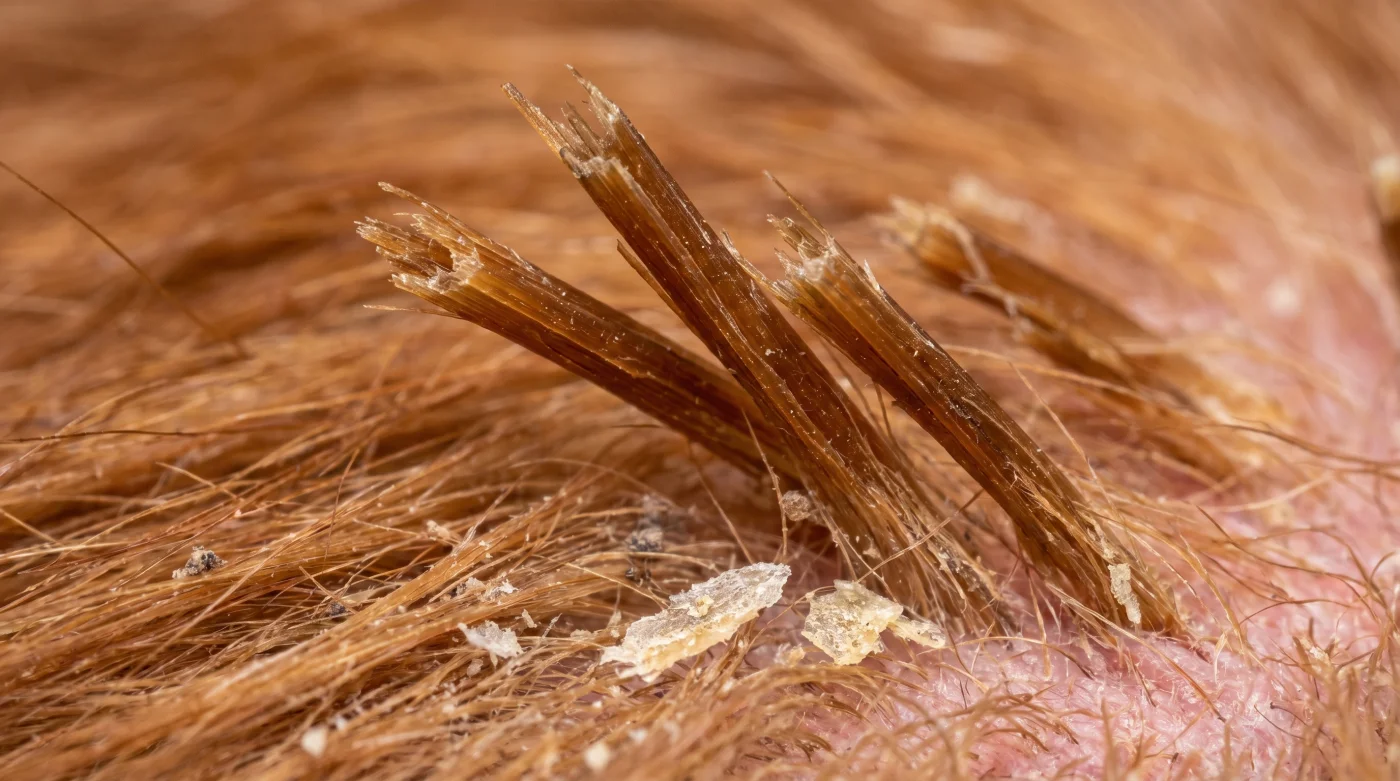
But what if that satisfying scrape of metal isn’t actually helping? If you look closely at the pile, you might notice something unsettling. It’s not just the dull, dead undercoat you’re removing. You are cutting live hair, stripping away the vibrant, healthy topcoat that protects your dog from the elements and regulates their body temperature.
The assumption is that more brushing equals a cleaner house and a happier pet. When a tool works this aggressively, pulling out handfuls of hair with a single pass, it’s easy to get addicted to the results. We brush daily, hoping to win the war on shedding, completely unaware of the silent damage happening at the root and the microscopic abrasions forming on the skin beneath.
The Anatomy of a Muted Coat
Think of your dog’s coat like a high-end waterproof jacket layered over a thick fleece sweater. The topcoat is the waterproof shell—shiny, resilient, weather-resistant, and designed to repel dirt. The undercoat is the fleece, created to trap heat and shed seasonally. Blade tools act like scissors, slicing through that protective outer shell instead of gently plucking out the loose fleece underneath.
When you drag a fixed steel blade across your dog’s back every day, you aren’t just catching dead hair. The sharp teeth grip the healthy guard hairs and snap them off mid-shaft. Over time, the coat loses its natural sheen, turning dull, brittle, and prone to severe skin irritation. The very tool you bought to fix the shedding problem is quietly making the situation structurally worse.
Sarah Jenkins, a 42-year-old master groomer operating out of a small, cedar-shingled shop in Portland, Oregon, sees this exact tragedy every spring. “People bring in these gorgeous Shepherds and Labs with what I call ‘steel burn,'” she notes while gently running a soft bristle brush through a husky’s tangled ruff. “They show me their deshedding tool, bragging about using it every morning with their coffee. I have to tell them they haven’t been grooming their dog; they’ve been slowly shaving them with a dull razor.” Sarah points out that the natural shedding cycle takes weeks, not hours, and rushing it forces the hair follicles into a state of chronic trauma.
Customizing the Routine by Coat Type
Not all fur is created equal, and understanding your dog’s specific architecture is the only way to reverse the damage. You need to adapt your approach based on what your dog is actually growing, treating their coat with the specificity it demands.
For the Double-Coated Giants: Think Huskies, Malamutes, and Newfoundlands. These breeds rely heavily on their topcoat to regulate body temperature in both winter freezing and summer heat. Using a bladed deshedder on them daily destroys their natural insulation. Instead, rely on a wide-toothed undercoat rake to gently pull out the dead layer, and save the aggressive deshedder for the extreme bi-annual coat-blowing weeks.
For the Medium-Length Shedders: Golden Retrievers, Australian Shepherds, and Spaniels fall into this category. They have delicate feathering around their legs, ears, and belly that can be completely shredded by a harsh metal edge. You should restrict bladed tools entirely from these sensitive areas, using them strictly on the dense, sturdy patches of the neck and hindquarters.
For the Short-Haired Velvet: Breeds like Pugs, Beagles, and Labs have tight, dense coats. A bladed deshedding tool can actually scrape right against their skin if you press too hard, causing micro-abrasions that lead to bacterial infections and flaky dander. A rubber curry brush is your actual secret weapon here, grabbing loose hairs through friction without ever scratching the delicate skin surface.
The Bi-Weekly Reset
Healing a damaged topcoat requires patience and a complete overhaul of your brushing habits. You must pivot from aggressive daily removal to intentional, spaced-out maintenance. Limiting your heavy-duty blade sessions allows the natural oils to recover, gives broken guard hairs time to cycle out, and prevents permanent follicle damage.
The method requires a gentle touch, almost like breathing through a pillow, applying just enough pressure to engage the fur without ever dragging against the skin. Follow this specific sequence to maintain a healthy coat without sacrificing your clean floors:
- Start with a thorough pass using a standard pin brush to break up surface tangles and loosen debris.
- Part the hair gently with your fingers to locate impacted patches of grey, dull undercoat near the skin.
- Draw the deshedding blade through the fur in the exact direction of hair growth, never pushing against the grain.
- Lift the tool away from the body at the end of each stroke rather than dragging it aggressively down the flank.
- Stop immediately if you feel resistance, notice the dog flinching, or hear a distinct tearing sound.
To implement this safely, you need to rethink your grooming kit entirely. Throwing away the heavy blade isn’t necessary, but reassigning its role from daily driver to occasional specialist is crucial for your pet’s dermatological health.
The Tactical Grooming Toolkit: Keep a rubber curry brush in the living room for daily bonding and to surface loose hair gently. Use a slicker brush twice a week for moderate tangles and everyday maintenance. Restrict your bladed deshedding tool to a strict bi-weekly schedule—limiting its use to no more than 10 to 15 minutes per session. Always groom on a dry coat, as wet hair stretches and snaps far more easily under metal teeth.
Respecting the Natural Rhythms
Grooming shouldn’t be an act of war against your dog’s biology. It is a quiet conversation between you and your pet, a moment to check in on their physical health, feel for unusual lumps, and strengthen your mutual bond. When you stop fighting the natural shedding cycle, the anxiety around keeping a spotless house begins to fade into a more realistic rhythm.
You realize that a few stray hairs on the couch are simply the tax we pay for their quiet companionship. By stepping back and allowing the coat to breathe, you are giving them back their armor. A healthy, untouched topcoat naturally repels dirt, water, and even odors far better than a structurally compromised one ever could.
Your dog relies on you to understand the unspoken language of their body. Once you master this simple boundary—knowing exactly when to pull out the heavy steel tools and when to just let your bare hand run gently through their fur—you bring a profound new level of comfort to their daily life.
“The best grooming tools shouldn’t leave a massive pile of hair on the floor; they should leave a healthier, more comfortable dog.”
| Key Point | Detail | Added Value for the Reader |
|---|---|---|
| Daily Routine | Rubber curry brush or simple hound glove. | Massages the skin and distributes natural oils without ever cutting or snapping live hair. |
| Weekly Routine | Standard pin brush or gentle slicker brush. | Removes standard loose fur and prevents painful matting in friction areas like the armpits. |
| Bi-Weekly Routine | Bladed deshedding tool (10-15 minutes max). | Targets deeply impacted undercoat safely, preserving the glossy, protective topcoat from permanent damage. |
Frequently Asked Questions
Why does my dog’s coat look dull and frizzy after brushing?
You are likely slicing off the glossy guard hairs instead of removing the dead undercoat beneath. The frizz is actually the fractured ends of healthy hair shafts.Can structurally damaged topcoats grow back normally?
Yes, but it requires pausing aggressive brushing and allowing a full seasonal shedding cycle to organically replace the broken shafts with new growth.How hard should I press down with a metal deshedding blade?
The weight of the tool alone is more than enough. Pressing down causes the teeth to scrape the skin, leading to painful irritation, scabs, and cut hair.Are there specific areas on my dog I should completely avoid?
Avoid the delicate feathering on the legs, the soft belly, and the tail, where hair is naturally finer and easily shredded by rigid metal teeth.What is the absolute best daily alternative to heavy deshedders?
A rubber curry brush creates gentle friction to grip shedding hair naturally, ensuring no sharp edges ever touch the healthy coat or skin.